






Beyond Borders: How Solar Power and Dignity Are Transforming Communities in Benin and Togo
On February 18, 2026, a single day marked a historic milestone for two West African communities in a powerful display of transcontinental cooperation and sustainable development. The Togolese association SANURA, in partnership with the US-based Human Development Fund (HDF), successfully bridged borders to launch impactful projects in both Benin and Togo. These initiatives go far beyond simple infrastructure; they represent a scalable model for tackling the urgent challenges of water scarcity and sanitation in the 21st century.
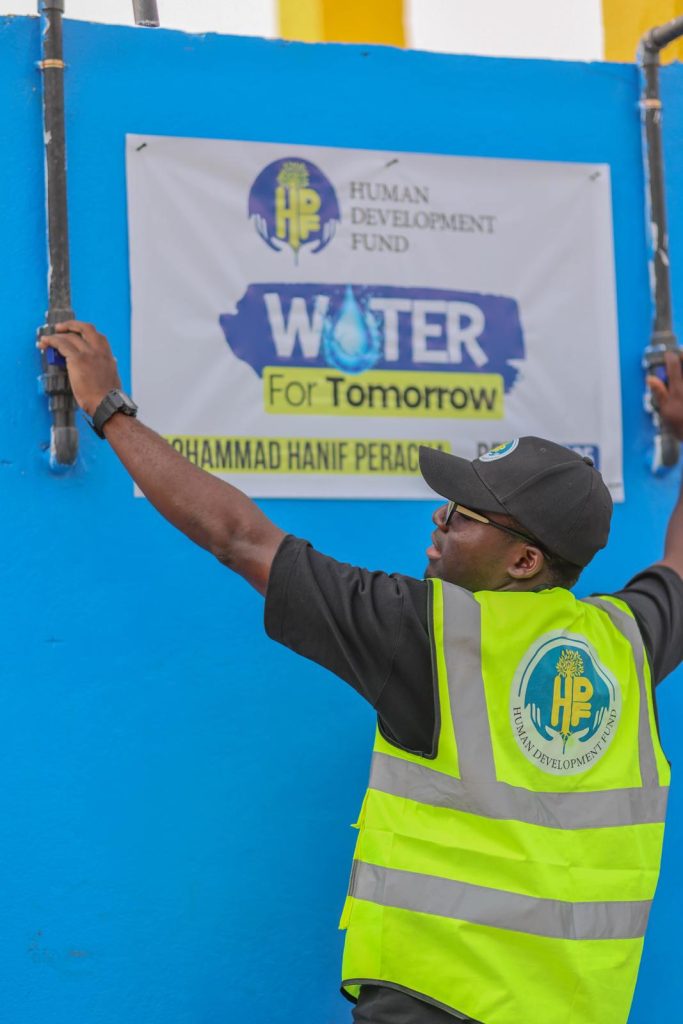
For the first time, SANURA has expanded its reach beyond its traditional base in Togo to Benin. In the remote locality of Baréï, located in the Donga Department within the commune of Djogou, a new water borehole was inaugurated on that significant Wednesday. But this is not just any well. This is a solar-powered forage, a sustainable solution designed to withstand the region’s erratic energy grid and combat the growing pressures of climate change. By harnessing photovoltaic energy, SANURA and HDF have ensured that the communities of Baréï have access to constant, eco-friendly, and cost-free water. This eradicates the need for fossil fuels and guarantees that the fight against water poverty does not come at the expense of the environment. For the women and children of Baréï, who previously spent hours on the daily quest for water, this is a liberation. It is a fundamental right restored, paving the way for improved health, girls’ education, and local agriculture.
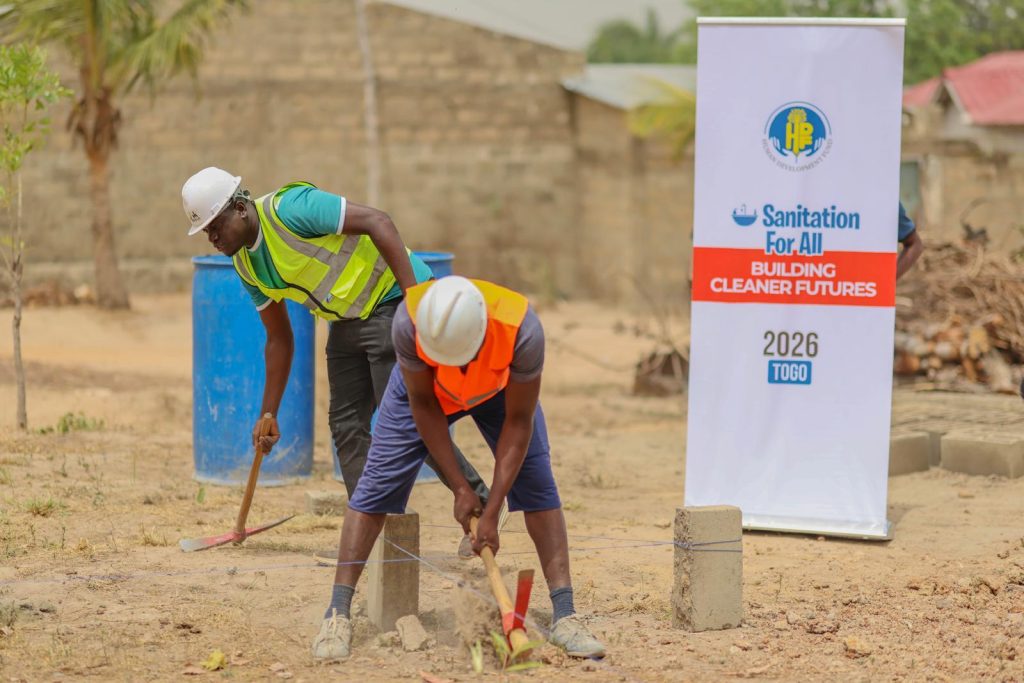
Remarkably, on that very same day, February 18, 2026, hundreds of kilometers away in the Central Region of Togo, the same partnership was at work. At the Lycée de Tchalo, SANURA and HDF broke ground on the construction of modern toilet facilities. This initiative carries a message just as powerful as the solar forage: sanitation is not a luxury; it is a basic human right and a critical public health measure. In rural educational settings, the lack of adequate sanitation is a primary driver of absenteeism, particularly among adolescent girls, and a gateway to preventable diseases. By launching this project, the partners are building more than just latrines; they are building a foundation for dignity, gender equality in education, and a healthier future for the students of Tchalo.
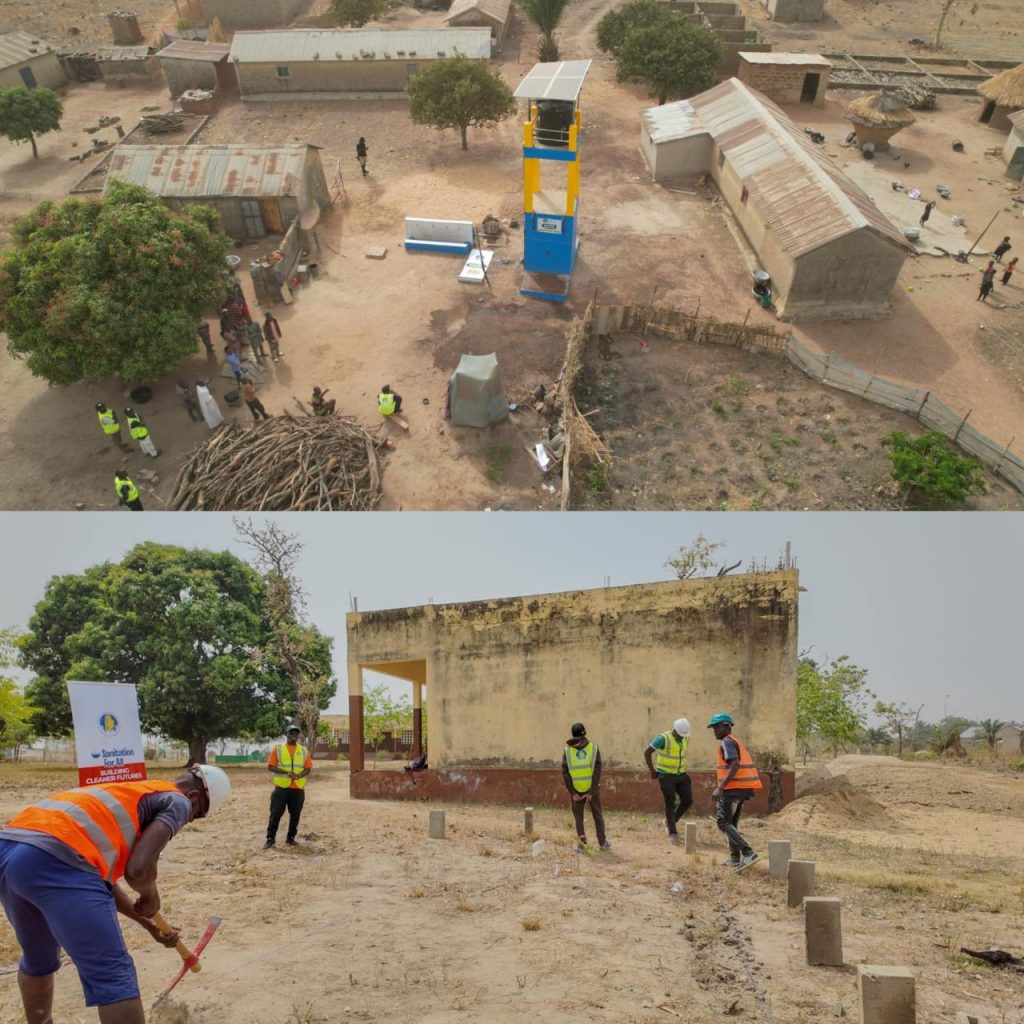
This dual inauguration a solar-powered water source in Benin and a sanitation block in Togo underscores a new era for humanitarian work in West Africa. The collaboration between SANURA and the Human Development Fund (HDF), with its roots in the United States, demonstrates that effective aid knows no borders. It proves that with the right partnership, it is possible to deploy sophisticated, sustainable engineering solutions that respect the environment while radically improving human dignity. From the sun-drenched fields of Donga to the schoolyards of Tchalo, the message is clear: access to clean water and safe sanitation is not a privilege for the few, but a reality that can be built for the many.
Ing Ilyame O-L

Related Posts








Laisser un commentaire